Sustainable Architecture Trends in 2023
- giovanni salgado
- Mar 22
- 4 min read
As the world grapples with climate change and environmental degradation, the architecture industry is stepping up to the challenge. Sustainable architecture is no longer just a trend; it has become a necessity. In 2023, architects and builders are embracing innovative practices that prioritize sustainability, efficiency, and resilience. This blog post explores the key trends shaping sustainable architecture this year, providing insights into how these practices can create a better future for our planet.

The Rise of Biophilic Design
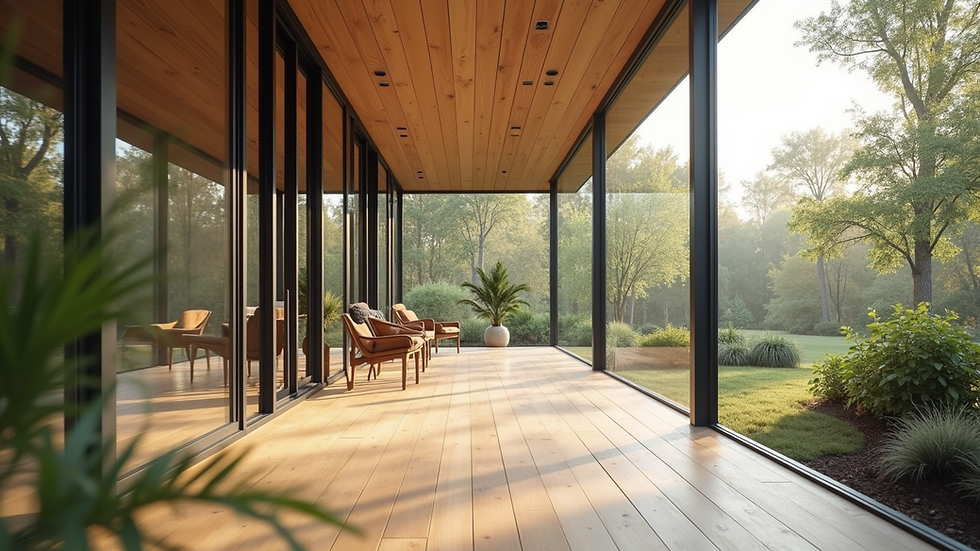
Biophilic design is gaining traction as architects recognize the importance of connecting people with nature. This approach incorporates natural elements into building designs, promoting well-being and enhancing the user experience.
Key Features of Biophilic Design
Natural Light: Maximizing daylight through large windows and skylights reduces the need for artificial lighting.
Indoor Plants: Integrating greenery into interiors not only improves air quality but also creates a calming atmosphere.
Natural Materials: Using wood, stone, and other organic materials fosters a connection to the natural environment.
For example, the Bosco Verticale in Milan features residential towers adorned with thousands of trees and plants, creating a vertical forest that improves air quality and enhances biodiversity.
Energy Efficiency and Renewable Energy Sources
Energy efficiency remains a cornerstone of sustainable architecture. In 2023, architects are increasingly incorporating renewable energy sources into their designs to reduce reliance on fossil fuels.
Strategies for Energy Efficiency
Passive Design: Utilizing natural ventilation, thermal mass, and orientation to minimize energy consumption.
Solar Panels: Installing photovoltaic systems to harness solar energy for electricity generation.
Green Roofs: Implementing green roofs to provide insulation, reduce heat absorption, and manage stormwater.
The Edge in Amsterdam is a prime example of energy-efficient architecture. This building features a green roof, solar panels, and smart technology that optimizes energy use, making it one of the most sustainable office buildings in the world.
Circular Economy Principles
The concept of a circular economy is gaining momentum in architecture, emphasizing the importance of reusing and recycling materials. This approach minimizes waste and reduces the environmental impact of construction.
Implementing Circular Economy Principles
Material Reuse: Salvaging materials from deconstructed buildings for use in new projects.
Design for Disassembly: Creating buildings that can be easily taken apart at the end of their life cycle, allowing materials to be reused.
Sustainable Sourcing: Choosing materials that are sustainably sourced and have a lower environmental impact.
A notable example is the Circular Building in London, which was designed with the principles of the circular economy in mind. The building incorporates reclaimed materials and features a modular design that allows for easy disassembly and reuse.
Smart Building Technology
The integration of smart technology in architecture is transforming how buildings operate. In 2023, smart building technology is being leveraged to enhance sustainability and improve energy efficiency.
Benefits of Smart Building Technology
Automated Systems: Smart sensors and automation systems optimize lighting, heating, and cooling based on occupancy and environmental conditions.
Data Analytics: Collecting data on energy usage helps identify areas for improvement and reduce waste.
User Control: Providing occupants with control over their environment enhances comfort and encourages energy-saving behaviors.
The One Central Park project in Sydney exemplifies the use of smart technology in sustainable architecture. The development features a sophisticated building management system that monitors energy consumption and adjusts systems in real-time.
Sustainable Materials and Construction Practices
The choice of materials and construction practices plays a crucial role in sustainable architecture. In 2023, architects are prioritizing sustainable materials that have a lower environmental impact.
Sustainable Material Options
Recycled Materials: Using recycled steel, glass, and concrete reduces the demand for new resources.
Low-Impact Materials: Selecting materials with low embodied energy, such as bamboo and rammed earth, minimizes environmental impact.
Non-Toxic Finishes: Opting for non-toxic paints and finishes improves indoor air quality and occupant health.
The Bullitt Center in Seattle is a prime example of a building constructed with sustainable materials. The center features reclaimed wood, recycled steel, and non-toxic finishes, making it one of the greenest commercial buildings in the world.
Water Conservation Strategies
Water scarcity is a pressing issue, and sustainable architecture is addressing this challenge through innovative water conservation strategies.
Effective Water Conservation Techniques
Rainwater Harvesting: Collecting rainwater for irrigation and non-potable uses reduces reliance on municipal water supplies.
Greywater Recycling: Reusing greywater from sinks and showers for irrigation or toilet flushing conserves water.
Low-Flow Fixtures: Installing low-flow faucets, showerheads, and toilets minimizes water consumption.
The California Academy of Sciences in San Francisco showcases effective water conservation strategies. The building features a green roof that captures rainwater and a greywater recycling system that reduces overall water usage.
Community-Centric Design
Sustainable architecture is increasingly focusing on community needs and social equity. In 2023, architects are designing spaces that foster community engagement and inclusivity.
Principles of Community-Centric Design
Public Spaces: Creating accessible public spaces encourages social interaction and community building.
Affordable Housing: Designing affordable housing solutions addresses the housing crisis and promotes social equity.
Local Materials: Sourcing materials locally supports the economy and reduces transportation emissions.
The High Line in New York City is a prime example of community-centric design. This elevated park transformed an abandoned railway into a vibrant public space that fosters community engagement and enhances urban biodiversity.
Conclusion
Sustainable architecture in 2023 is characterized by innovative practices that prioritize environmental stewardship, community engagement, and resilience. By embracing biophilic design, energy efficiency, circular economy principles, smart technology, sustainable materials, water conservation, and community-centric design, architects are paving the way for a more sustainable future.
As we move forward, it is essential for architects, builders, and communities to collaborate and adopt these trends to create spaces that not only meet our needs but also protect our planet for future generations. The journey towards sustainability is ongoing, and every step counts. Let us embrace these trends and work together to build a better world.

Comments