Transforming Spaces: The Art of Architectural Design
- giovanni salgado
- Mar 22
- 5 min read
Architectural design is more than just creating buildings; it is about transforming spaces into functional, aesthetic, and meaningful environments. From the towering skyscrapers of urban landscapes to the cozy homes nestled in quiet neighborhoods, architecture shapes our experiences and interactions with the world. This blog post explores the intricacies of architectural design, its impact on our lives, and the principles that guide architects in their creative processes.

Understanding Architectural Design
Architectural design encompasses the planning, designing, and constructing of buildings and other physical structures. It involves a blend of art and science, where creativity meets functionality. Architects must consider various factors, including:
Purpose: What is the building intended for? Residential, commercial, or public use?
Aesthetics: How will the design appeal to the eye? What style will it embody?
Functionality: How will the space be used? Is it accessible and practical?
Sustainability: How can the design minimize environmental impact? What materials will be used?
Context: How does the building fit within its surroundings? What cultural or historical elements should be considered?
The Role of Architects
Architects play a crucial role in the design process. They are responsible for translating ideas into tangible structures. Their work involves:
Research and Analysis: Understanding the needs of clients and the context of the site.
Concept Development: Creating initial sketches and models to visualize the design.
Technical Drawings: Producing detailed plans that guide construction.
Collaboration: Working with engineers, contractors, and other professionals to ensure the design is feasible and executed correctly.
The Design Process
The architectural design process typically follows several stages:
1. Pre-Design
During this phase, architects gather information about the project. They assess the site, analyze zoning laws, and meet with clients to understand their vision. This stage is crucial for laying the groundwork for a successful project.
2. Schematic Design
In this phase, architects create preliminary sketches and diagrams. These concepts help visualize the overall layout and design elements. Feedback from clients is essential during this stage to refine ideas.
3. Design Development
Once the schematic design is approved, architects move on to develop the details. This includes selecting materials, colors, and finishes. They also create more detailed drawings that outline dimensions and specifications.
4. Construction Documentation
This stage involves preparing the final set of drawings and documents needed for construction. These documents serve as a guide for builders and ensure that the design is executed as intended.
5. Construction Administration
During construction, architects may oversee the project to ensure compliance with the design. They address any issues that arise and make necessary adjustments to keep the project on track.
Key Principles of Architectural Design
Several principles guide architects in their design processes. Understanding these principles can help anyone appreciate the art of architectural design.
Balance
Balance refers to the distribution of visual weight in a design. It can be symmetrical, where elements are mirrored on either side, or asymmetrical, where different elements create a sense of equilibrium. Achieving balance is essential for creating harmonious spaces.
Proportion and Scale
Proportion relates to the size relationship between different elements, while scale refers to the overall size of a structure in relation to its surroundings. Architects must consider both to create spaces that feel comfortable and inviting.
Rhythm
Rhythm in architecture is achieved through repetition of elements, such as windows, columns, or materials. This creates a sense of movement and flow, guiding the viewer's eye through the design.
Contrast
Contrast involves using differing elements to create visual interest. This can be achieved through color, texture, or shape. Effective contrast can highlight specific features and enhance the overall design.
Unity
Unity ensures that all elements of a design work together cohesively. This principle helps create a sense of belonging and harmony within a space.
The Impact of Architectural Design on Society
Architectural design has a profound impact on society. It influences how we interact with our environment and shapes our experiences. Here are a few ways architecture affects our lives:
Enhancing Quality of Life
Well-designed spaces can improve the quality of life for individuals and communities. Thoughtful architecture can create environments that promote well-being, encourage social interaction, and foster a sense of belonging.
Cultural Identity
Architecture often reflects the cultural identity of a community. Iconic buildings can become symbols of a city or region, representing its history, values, and aspirations. For example, the Sydney Opera House is not just a performance venue; it embodies the spirit of Australia.
Environmental Sustainability
As awareness of environmental issues grows, architects are increasingly focused on sustainable design. This includes using eco-friendly materials, incorporating energy-efficient systems, and designing buildings that minimize their ecological footprint.
Economic Development
Architectural design can drive economic growth by attracting businesses and tourism. Well-planned urban spaces can revitalize neighborhoods, increase property values, and create job opportunities.
Case Studies in Architectural Design
To illustrate the principles of architectural design, let's explore a few notable case studies.
The Guggenheim Museum, Bilbao
Designed by Frank Gehry, the Guggenheim Museum in Bilbao, Spain, is a prime example of innovative architectural design. Its organic shapes and titanium cladding create a striking visual impact. The museum has transformed the city, attracting millions of visitors and revitalizing the local economy.
Fallingwater, Pennsylvania
Fallingwater, designed by Frank Lloyd Wright, is a masterpiece of organic architecture. Built over a waterfall, the house seamlessly integrates with its natural surroundings. Wright's use of cantilevered terraces and natural materials exemplifies the principle of harmony between architecture and nature.
The High Line, New York City
The High Line is an elevated park built on a former railway line in Manhattan. Designed by James Corner Field Operations and Diller Scofidio + Renfro, it showcases how adaptive reuse can transform urban spaces. The park has become a beloved public space, promoting community engagement and environmental sustainability.
Future Trends in Architectural Design
As we look to the future, several trends are shaping the field of architectural design:
Smart Buildings
With advancements in technology, architects are increasingly incorporating smart systems into their designs. These buildings can optimize energy use, enhance security, and improve occupant comfort through automation and connectivity.
Biophilic Design
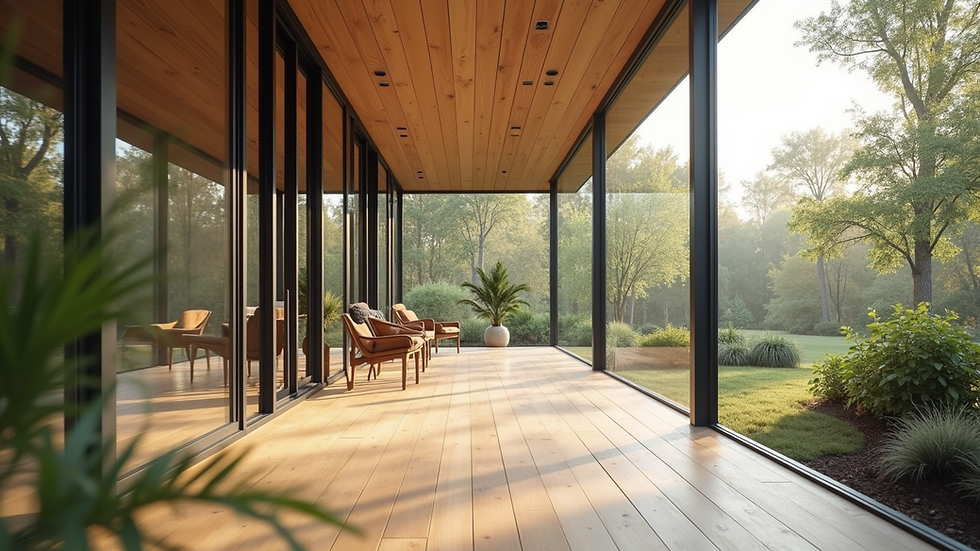
Biophilic design emphasizes the connection between humans and nature. Architects are integrating natural elements, such as plants and natural light, into their designs to promote well-being and reduce stress.
Modular Construction
Modular construction involves prefabricating building components off-site and assembling them on location. This approach can reduce construction time and waste, making it a more sustainable option.
Resilient Design
As climate change poses new challenges, architects are focusing on resilient design. This involves creating structures that can withstand extreme weather events and adapt to changing environmental conditions.
Conclusion
Architectural design is a dynamic and multifaceted discipline that shapes our built environment. By understanding the principles and processes involved, we can appreciate the artistry and thoughtfulness behind the spaces we inhabit. As we move forward, embracing innovative trends and sustainable practices will be essential in creating a better future for our communities.
The next time you walk past a building, take a moment to consider the design choices that went into it. Each structure tells a story, reflecting the values and aspirations of its creators and the society it serves.

Comments